


Exploring the World of Empty Metal Cans: Insights into the 95059090 Factory Process
Feb 04,2026
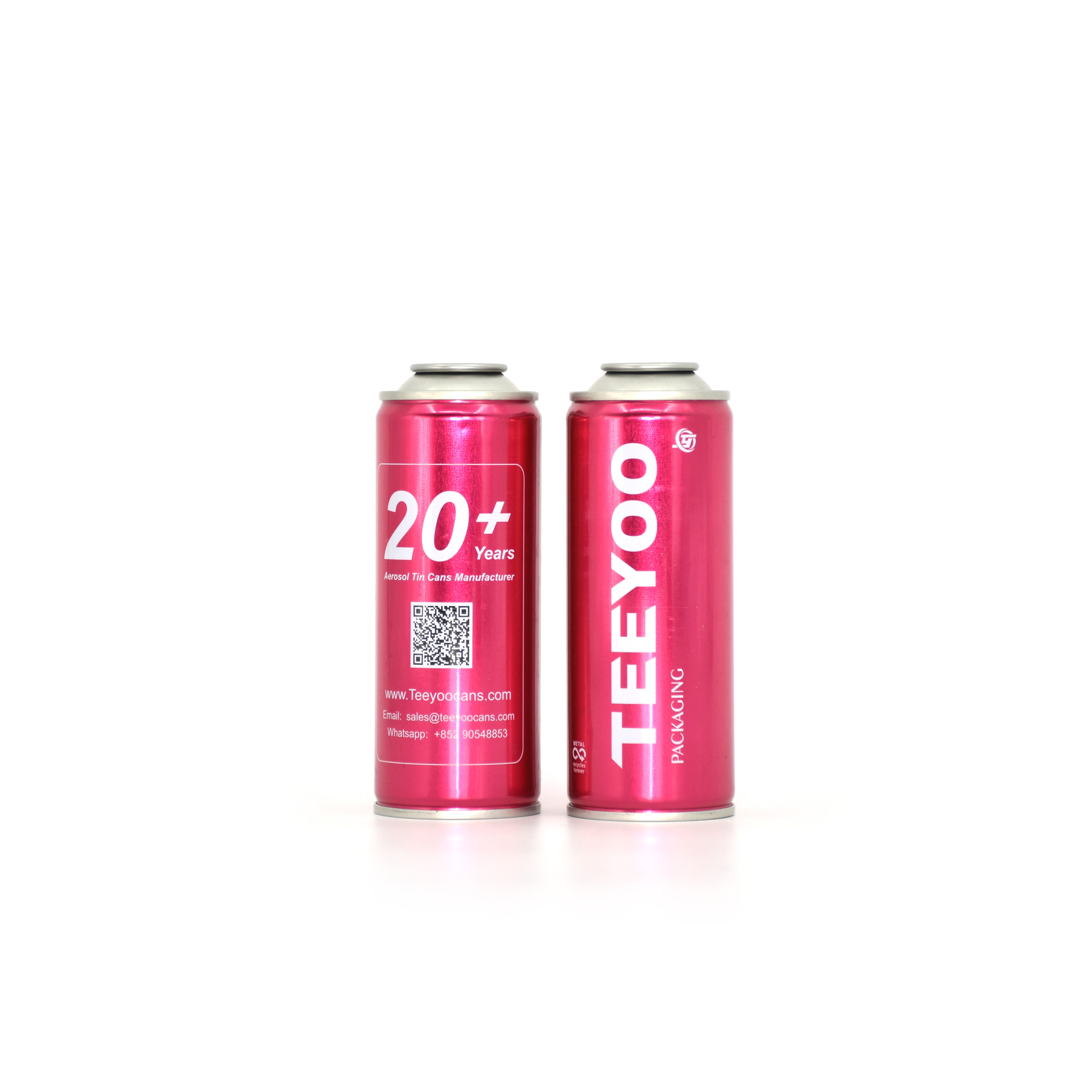
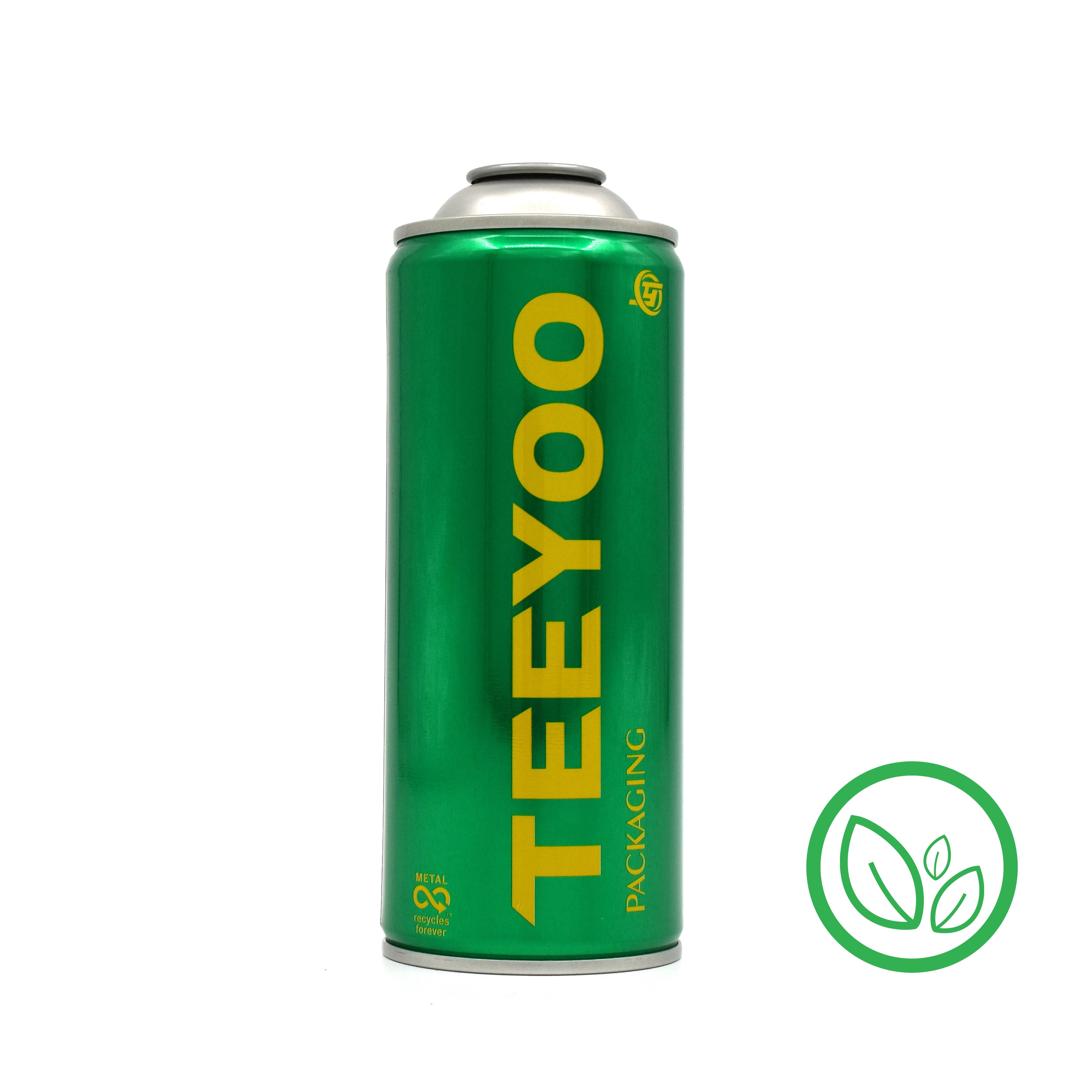
Empty metal cans are crucial components in the packaging industry, especially for food and beverage products. Classified under the Harmonized System code 95059090, these cans are primarily made from aluminum or tinplate, which allows for an excellent barrier against light, moisture, and air, ensuring the preservation of contents.
The production of empty metal cans involves several key processes, which are typically carried out in specialized factories. Initially, sheets of metal are shaped into cylindrical forms through a stamping process, followed by the creation of the can's ends. Advanced technologies, like thin-wall can technology, are often used to reduce material usage while maintaining structural integrity. After shaping, the cans undergo various treatments, including coating and printing, to enhance their appearance and functionality.
One significant advantage of using metal cans for packaging is their recyclability. Metal cans are one of the most recycled packaging materials globally, with a high recycling rate. This not only reduces the environmental impact but also contributes to a circular economy, where materials are reused rather than disposed of. In a world increasingly focused on sustainability, the role of empty metal cans becomes even more vital.
From a market perspective, the demand for empty metal cans has been steadily increasing. Factors driving this trend include the growth of the beverage industry, increased consumer preference for packaged foods, and a rising awareness of environmental sustainability. As a result, factories that specialize in producing empty metal cans are adapting to these changes by investing in more efficient production technologies and exploring innovative designs.
Moreover, the use of empty metal cans extends beyond food and beverage packaging. Industries such as personal care, household products, and industrial applications also benefit from metal can packaging due to its durability and protective qualities. This versatility makes metal cans an attractive option for a wide range of products.
In conclusion, the manufacturing of empty metal cans under the 95059090 category plays a significant role in the packaging industry. Understanding the production processes, environmental benefits, and market trends associated with these containers can provide valuable insights for professionals in the field. As sustainability continues to be a driving force in packaging, empty metal cans will likely remain a staple choice for various applications, shaping the future of manufacturing and packaging innovation.
The production of empty metal cans involves several key processes, which are typically carried out in specialized factories. Initially, sheets of metal are shaped into cylindrical forms through a stamping process, followed by the creation of the can's ends. Advanced technologies, like thin-wall can technology, are often used to reduce material usage while maintaining structural integrity. After shaping, the cans undergo various treatments, including coating and printing, to enhance their appearance and functionality.
One significant advantage of using metal cans for packaging is their recyclability. Metal cans are one of the most recycled packaging materials globally, with a high recycling rate. This not only reduces the environmental impact but also contributes to a circular economy, where materials are reused rather than disposed of. In a world increasingly focused on sustainability, the role of empty metal cans becomes even more vital.
From a market perspective, the demand for empty metal cans has been steadily increasing. Factors driving this trend include the growth of the beverage industry, increased consumer preference for packaged foods, and a rising awareness of environmental sustainability. As a result, factories that specialize in producing empty metal cans are adapting to these changes by investing in more efficient production technologies and exploring innovative designs.
Moreover, the use of empty metal cans extends beyond food and beverage packaging. Industries such as personal care, household products, and industrial applications also benefit from metal can packaging due to its durability and protective qualities. This versatility makes metal cans an attractive option for a wide range of products.
In conclusion, the manufacturing of empty metal cans under the 95059090 category plays a significant role in the packaging industry. Understanding the production processes, environmental benefits, and market trends associated with these containers can provide valuable insights for professionals in the field. As sustainability continues to be a driving force in packaging, empty metal cans will likely remain a staple choice for various applications, shaping the future of manufacturing and packaging innovation.
PREVIOUS:

Selling well in all cities and provincesaroundChina,our products are also exported to clients in such countries and regions as Europe, America, MiddleEast Asia.


Contact Us
No. 3, Gongye Road, Nangang Village, Zhucun Street, Guangzhou, Guangdong, China
Quick Links
Request Quote