


Empty Tin Cans: A Cost-Effective Solution for Packaging
Aug 21,2026
Empty Tin Cans: A Cost-Effective Solution for Packaging
Introduction to Empty Tin Cans as Packaging Solutions
In the ever-evolving landscape of packaging materials, **empty tin cans** emerge as a frontrunner, providing a myriad of advantages that cater to diverse industries. From food and beverages to cosmetics and pharmaceuticals, the use of tin cans has transcended traditional boundaries. They offer a reliable shield against external elements, ensuring product integrity while being economical and environmentally friendly.
The Benefits of Using Empty Tin Cans in Packaging
When considering packaging options, it’s crucial to assess the benefits they offer. Here are some of the key reasons why empty tin cans stand out:
1. Cost-Effectiveness
**Empty tin cans** are among the most affordable packaging solutions available. Their production is streamlined, leading to lower manufacturing costs. Additionally, the durability of tin cans means they can withstand transportation and handling with minimal risk of damage, further reducing costs associated with product loss.
2. Versatility Across Industries
One of the significant attributes of tin cans is their versatility. They can be tailored to meet the specifications of various products, including:
- **Food Products:** From canned vegetables to ready-to-eat meals.
- **Beverages:** Soft drinks, beers, and energy drinks.
- **Cosmetics:** Creams, lotions, and balms.
- **Pharmaceuticals:** Ointments and supplements.
3. Excellent Barrier Properties
Empty tin cans provide outstanding protection against light, oxygen, and moisture. This capability is essential for preserving the freshness and nutritional quality of food products. Moreover, the metal properties of tin cans ensure that your products are less likely to be contaminated or spoilt.
4. Environmentally Friendly Option
As sustainability becomes a crucial consideration for consumers and businesses alike, **tin cans** shine as a **green packaging solution**. They are recyclable, and the recycling process requires considerably less energy compared to producing new aluminum or plastic containers. By choosing empty tin cans, companies can significantly reduce their carbon footprint.
5. Branding Opportunities
The surface of tin cans allows for high-quality printing, which can enhance brand visibility. Custom designs, vibrant colors, and engaging graphics can be applied, making it easier for brands to connect with consumers. This branding potential can lead to increased sales and a more substantial market presence.
Applications of Empty Tin Cans in Different Industries
The adaptability of empty tin cans allows them to be utilized across various sectors. Below are some key applications:
1. Food and Beverage Industry
Empty tin cans are widely used in the food and beverage industry, serving as an ideal packaging choice for both perishable and non-perishable items. Canned foods possess a longer shelf life, which benefits consumers and retailers. Moreover, the convenience of opening a can makes them a preferred choice for on-the-go meals.
2. Personal Care and Cosmetics
The personal care sector also recognizes the potential of tin cans as packaging for creams, pomades, and lotions. Their airtight seal keeps products fresh and effective, ensuring that consumers receive high-quality items every time.
3. Pharmaceuticals
In pharmaceuticals, empty tin cans can be an effective packaging option for ointments and topical applications. With their ability to safeguard sensitive formulations from environmental factors, these containers play a critical role in maintaining product integrity.
Eco-Friendly Aspects of Empty Tin Cans
As the demand for sustainable packaging solutions grows, empty tin cans are at the forefront of this shift. Here’s how they contribute to eco-friendliness:
1. Recyclability
Tin cans are 100% recyclable, meaning they can be repurposed multiple times without losing their quality. This recyclability not only helps in reducing waste but also conserves natural resources and energy.
2. Reduced Carbon Footprint
Producing tin cans from recycled materials significantly lowers energy consumption and greenhouse gas emissions. By opting for recycled tin cans, companies can promote sustainability and appeal to environmentally conscious consumers.
3. Support for Circular Economy
Empty tin cans contribute to a circular economy model, where materials are reused and recycled, reducing the need for virgin materials. This approach aligns with global sustainability goals and encourages responsible consumption.
Challenges and Considerations in Using Empty Tin Cans
While empty tin cans present numerous advantages, it’s essential to consider potential challenges:
1. Cost Fluctuations
The price of tin and the manufacturing process can fluctuate based on market demand and supply chains. Companies should monitor these variables to maintain cost-effectiveness.
2. Limited Shelf Life for Certain Products
Although tin cans provide excellent protection, certain products may still have limited shelf lives if not stored correctly. Manufacturers must ensure compatibility with the contents being packaged.
3. Issues Related to Can Opener Accessibility
For some consumers, accessing the contents of a tin can may require specific tools, especially with traditional canning methods. Companies should consider offering easy-open options or informative packaging.
Future Trends in the Use of Empty Tin Cans
As consumer preferences evolve, several trends are expected to shape the future of empty tin can usage:
1. Increased Customization
With advancements in printing technology, we anticipate a rise in customizable tin can designs. Personalized packaging will appeal to consumers seeking unique products.
2. Smart Packaging Solutions
The incorporation of smart technology into packaging, such as QR codes or temperature indicators, could enhance consumer interaction and improve product management throughout the supply chain.
3. Greater Emphasis on Sustainability
Sustainability will remain a driving force, with brands increasingly focusing on eco-friendly practices. The demand for recyclable and biodegradable packaging options will shape the tin can market.
Frequently Asked Questions (FAQs)
1. What are the advantages of using tin cans for food packaging?
Empty tin cans provide excellent barrier protection against light and moisture, extend shelf life, are cost-effective, and are recyclable.
2. Are tin cans safe for storing food products?
Yes, tin cans are safe for food storage when properly manufactured and sealed. They prevent contamination and preserve the quality of food items.
3. Can empty tin cans be recycled?
Absolutely! Empty tin cans are 100% recyclable and can be repurposed without losing quality.
4. What industries benefit from using tin cans as packaging?
Industries such as food and beverages, cosmetics, and pharmaceuticals benefit significantly from the use of tin cans.
5. Are there any downsides to using tin cans for packaging?
Some potential downsides include cost fluctuations, limited shelf life for certain products, and access issues with traditional can openers.
Conclusion
In summary, empty tin cans present a cost-effective, versatile, and sustainable solution for packaging needs across various industries. Their barrier properties, ability to enhance branding, and commitment to environmental sustainability make them a choice worth considering for businesses aiming to meet contemporary packaging demands. As the market evolves, embracing tin cans as part of an overall packaging strategy can lead to improved product safety, brand recognition, and consumer satisfaction. By opting for empty tin cans, businesses are not only ensuring quality for their products but also contributing to a more sustainable future.
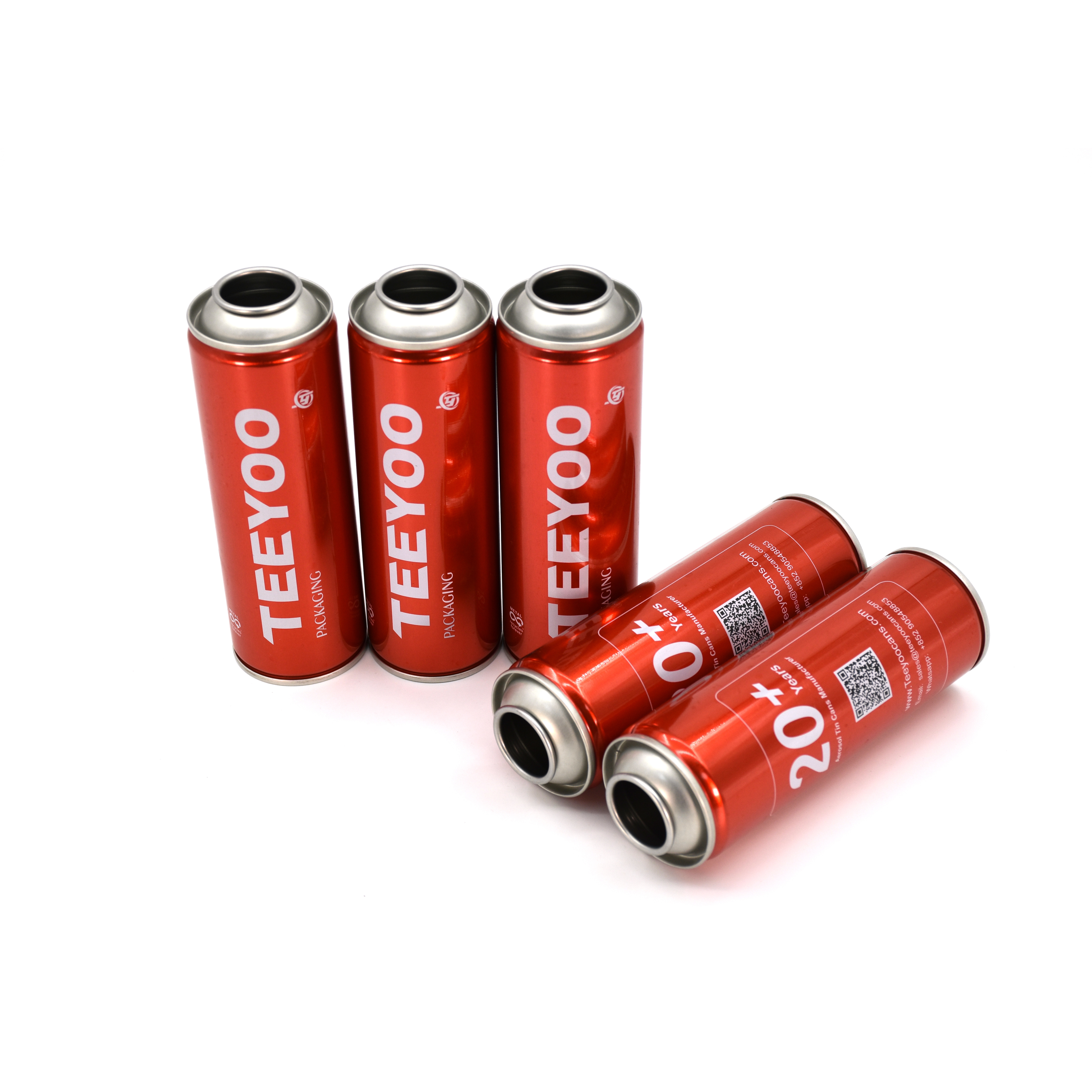

Selling well in all cities and provinces around China,our products are also exported to clients in such countries and regions as Europe, America, Middle East Asia.


Contact Us
No. 3, Gongye Road, Nangang Village, Zhucun Street, Guangzhou, Guangdong, China
Quick Links
Request Quote (No jobs / We are not hiring)