


Understanding the Production and Applications of Empty Metal Cans (95059090)
May 15,2026
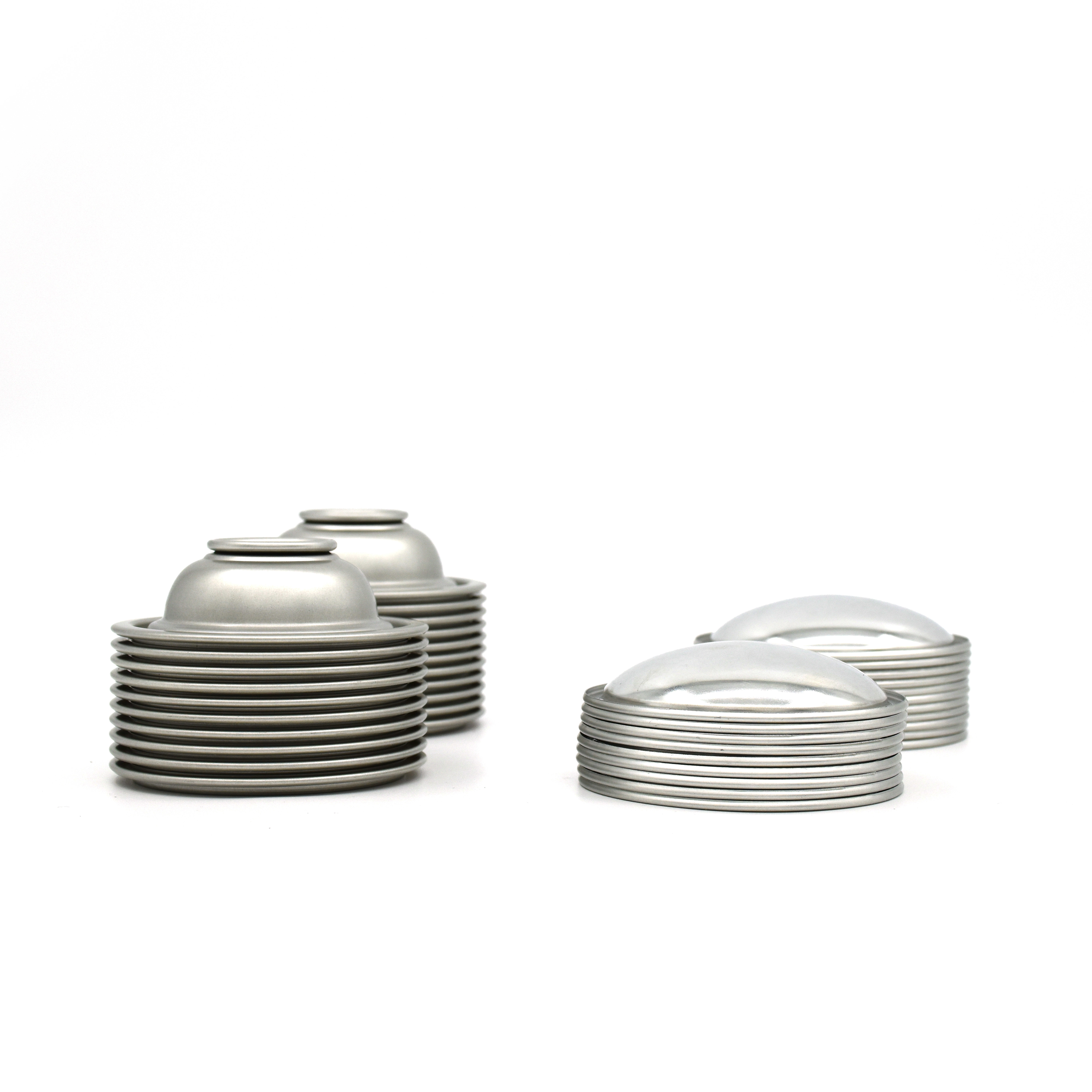
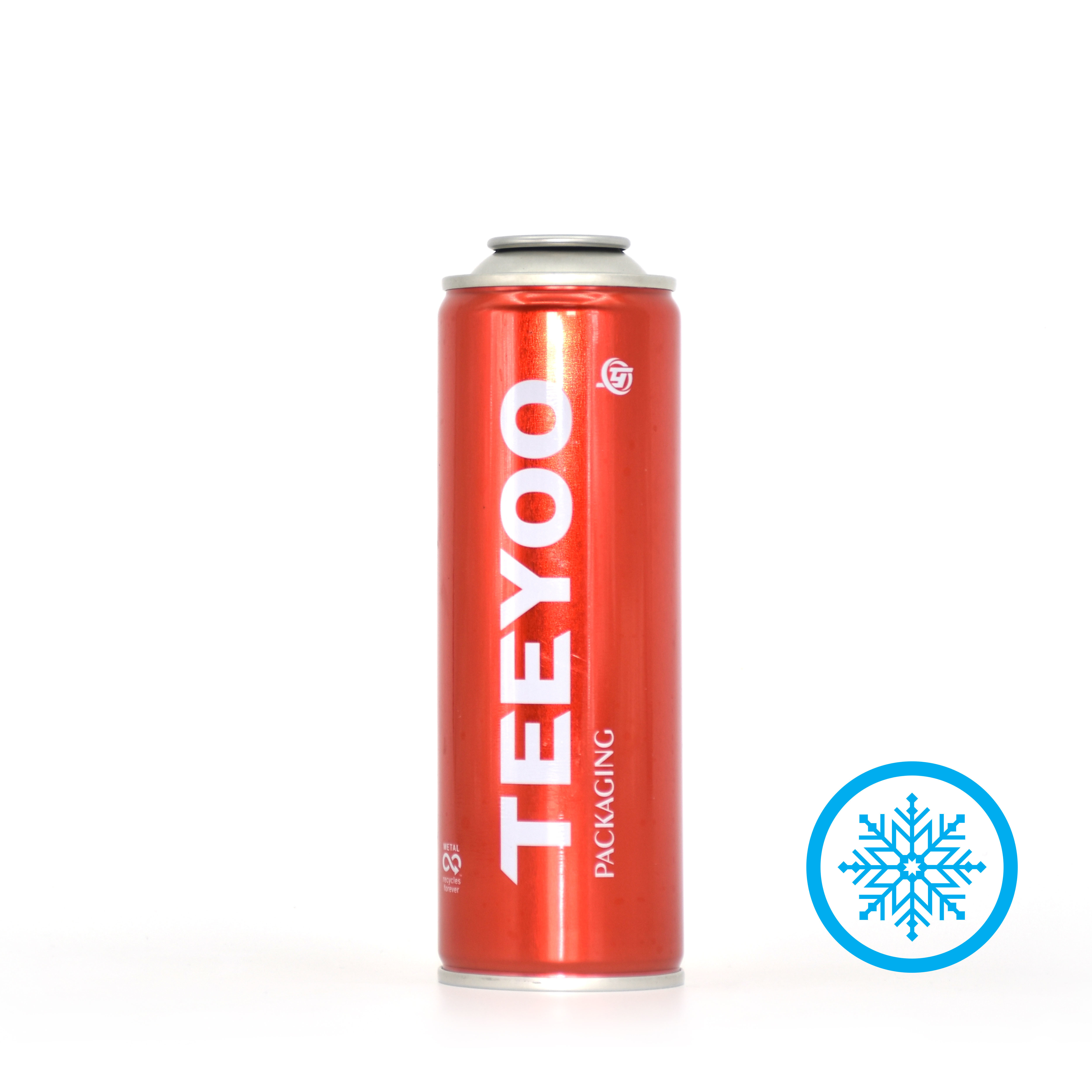
Empty metal cans, classified under the Harmonized System code 95059090, play a crucial role in the packaging and printing supply industry, particularly within the metal packaging container sector. These cans are primarily utilized in diverse markets, ranging from food and beverages to industrial applications, highlighting their versatility and reliability.
The production of empty metal cans begins with the selection of raw materials, typically aluminum or steel, which are known for their durability and recyclability. The manufacturing process involves several key steps, including the forming of metal sheets into cylindrical shapes, welding, and the application of coatings to protect the contents and enhance aesthetic appeal. It is essential that factories maintaining high standards of quality control throughout production ensure that the cans are free from defects and meet industry regulations.
One significant advantage of using empty metal cans is their ability to preserve contents for extended periods. The airtight seal provided by these cans helps prevent contamination and spoilage, making them ideal for packaging perishable goods. Additionally, metal cans are excellent at blocking light and oxygen, further extending the shelf life of sensitive products such as beverages and food items.
In recent years, there has been a growing demand for sustainable packaging solutions, and empty metal cans have emerged as a favorable option due to their recyclable nature. The recycling process for metal cans is highly efficient, with a substantial percentage being recycled and reused, which aligns with global sustainability goals. This aspect not only reduces environmental impact but also resonates well with consumers who are increasingly favoring eco-friendly packaging.
Furthermore, the customization capabilities inherent in the production of empty metal cans allow businesses to differentiate their products in a competitive market. Companies can personalize the size, shape, and design of their cans, which can enhance brand recognition and appeal to target demographics.
In conclusion, empty metal cans classified under 95059090 represent a significant segment within the packaging and printing supplies industry. Their manufacturing process, application in various sectors, and sustainability advantages position them as a vital component of modern packaging solutions. Understanding these factors can empower professionals in the industry to make informed decisions regarding material selection, production methods, and sustainability practices. By leveraging the benefits of empty metal cans, businesses can enhance their product offerings while meeting consumer demands for quality and eco-friendliness.
The production of empty metal cans begins with the selection of raw materials, typically aluminum or steel, which are known for their durability and recyclability. The manufacturing process involves several key steps, including the forming of metal sheets into cylindrical shapes, welding, and the application of coatings to protect the contents and enhance aesthetic appeal. It is essential that factories maintaining high standards of quality control throughout production ensure that the cans are free from defects and meet industry regulations.
One significant advantage of using empty metal cans is their ability to preserve contents for extended periods. The airtight seal provided by these cans helps prevent contamination and spoilage, making them ideal for packaging perishable goods. Additionally, metal cans are excellent at blocking light and oxygen, further extending the shelf life of sensitive products such as beverages and food items.
In recent years, there has been a growing demand for sustainable packaging solutions, and empty metal cans have emerged as a favorable option due to their recyclable nature. The recycling process for metal cans is highly efficient, with a substantial percentage being recycled and reused, which aligns with global sustainability goals. This aspect not only reduces environmental impact but also resonates well with consumers who are increasingly favoring eco-friendly packaging.
Furthermore, the customization capabilities inherent in the production of empty metal cans allow businesses to differentiate their products in a competitive market. Companies can personalize the size, shape, and design of their cans, which can enhance brand recognition and appeal to target demographics.
In conclusion, empty metal cans classified under 95059090 represent a significant segment within the packaging and printing supplies industry. Their manufacturing process, application in various sectors, and sustainability advantages position them as a vital component of modern packaging solutions. Understanding these factors can empower professionals in the industry to make informed decisions regarding material selection, production methods, and sustainability practices. By leveraging the benefits of empty metal cans, businesses can enhance their product offerings while meeting consumer demands for quality and eco-friendliness.
PREVIOUS:

Selling well in all cities and provinces around China,our products are also exported to clients in such countries and regions as Europe, America, Middle East Asia.


Contact Us
No. 3, Gongye Road, Nangang Village, Zhucun Street, Guangzhou, Guangdong, China
Quick Links
Request Quote (No jobs / We are not hiring)