


The Essential Role of φ70mm Tinplate Aerosol Cans in Advancing Sustainable Packaging Solutions
Apr 10,2026
The Essential Role of φ70mm Tinplate Aerosol Cans in Advancing Sustainable Packaging Solutions
Introduction: The Shift Towards Sustainable Packaging
In recent years, businesses and consumers alike have become increasingly aware of the need for sustainable packaging solutions. The environmental impact of packaging waste has prompted a surge in demand for eco-friendly alternatives. **As a leading choice in sustainable packaging**, φ70mm tinplate aerosol cans offer numerous benefits that align with this growing trend. They not only fulfill practical requirements but also contribute significantly to reducing the ecological footprint of product packaging.
Understanding φ70mm Tinplate Aerosol Cans
What Are φ70mm Tinplate Aerosol Cans?
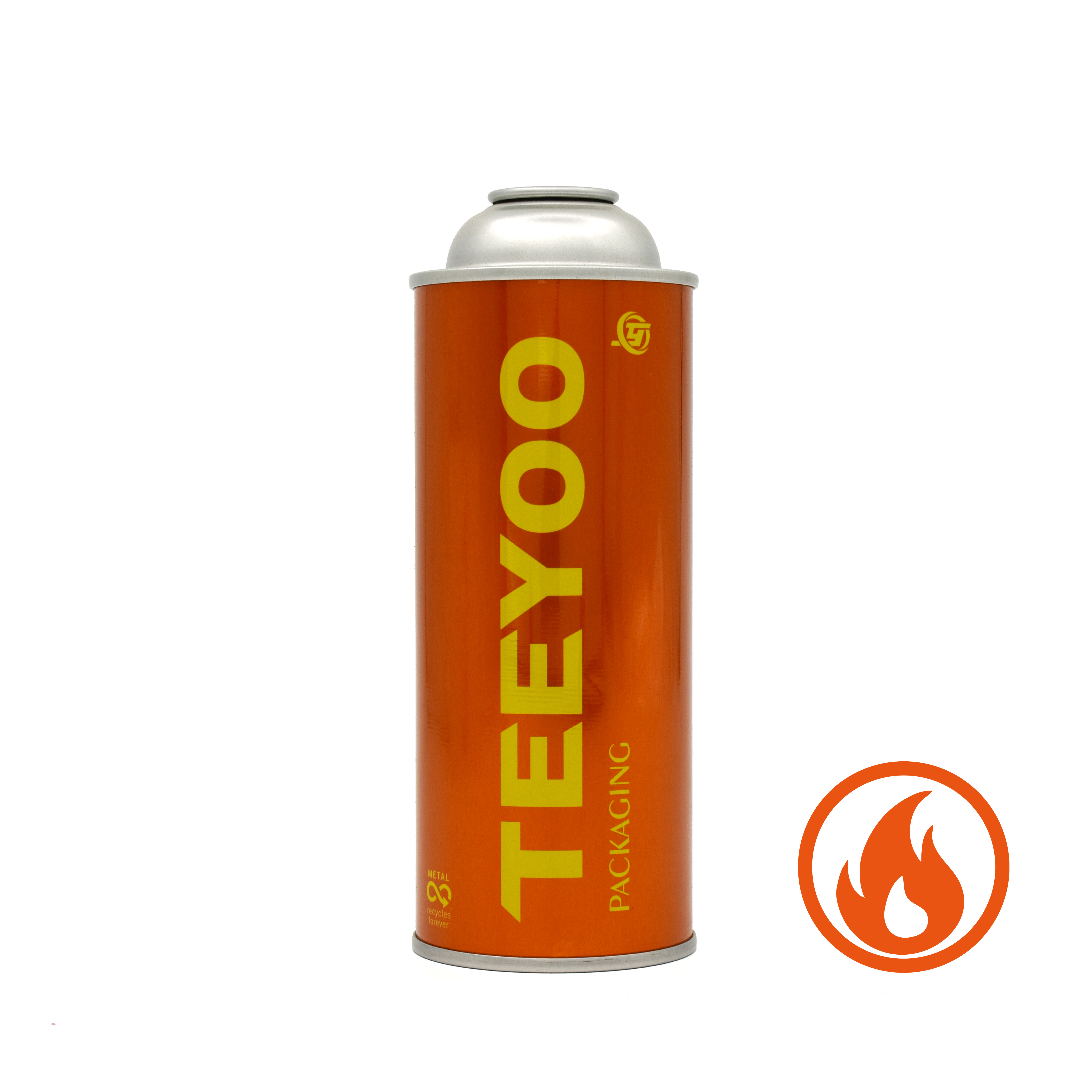
φ70mm tinplate aerosol cans are specifically designed containers made from tin-coated steel, measuring 70mm in diameter. These cans are typically used for various applications, including personal care products, household cleaners, and food items. Their robust construction and precision-engineered design make them ideal for containing pressurized substances while ensuring product integrity and safety.
Key Features of Tinplate Aerosol Cans
The unique composition and structure of tinplate aerosol cans contribute to their effectiveness in packaging. Some key features include:
- **Durability**: Tinplate offers superior strength, making these cans resistant to deformation and corrosion.
- **Barrier Properties**: The tin layer acts as a barrier against moisture, light, and oxygen, preserving the contents' freshness and quality.
- **Recyclability**: Tinplate is 100% recyclable and can be reused multiple times without degrading in quality, making it a sustainable option for packaging.
The Benefits of φ70mm Tinplate Aerosol Cans in Sustainable Packaging
Eco-Friendliness and Sustainability
One of the most significant advantages of φ70mm tinplate aerosol cans is their eco-friendliness. Unlike plastic, which can take hundreds of years to decompose, tinplate is recyclable and reintroduced into the production cycle. **This reduces waste** in landfills and minimizes the demand for virgin resources, contributing to a circular economy.
Lightweight and Cost-Effective
Despite their robust nature, tinplate aerosol cans are lightweight, which reduces shipping costs and energy consumption during transportation. Lower transportation costs mean **lower overall carbon emissions**, making these cans an economically viable option for manufacturers and consumers alike.
Compliance with Regulations
As environmental regulations tighten globally, companies are increasingly seeking packaging solutions that comply with sustainability standards. φ70mm tinplate aerosol cans meet various regulatory requirements for safety and environmental standards, ensuring that businesses can operate without facing legal challenges.
Applications of φ70mm Tinplate Aerosol Cans
Consumer Products
Tinplate aerosol cans are widely used in the consumer goods sector, including:
- **Personal Care Products**: From deodorants to hair sprays, these cans help deliver products effectively while maintaining their integrity.
- **Household Cleaners**: The pressurized nature of aerosol cans allows for easy application of cleaning agents, making them convenient for daily use.
- **Food Products**: Some food items, such as whipped cream and cooking sprays, utilize these cans for their ability to preserve freshness and flavor.
Industrial Applications
In addition to consumer products, φ70mm tinplate aerosol cans are utilized in various industrial applications, including:
- **Lubricants**: These cans are commonly used to package lubricating oils and sprays, providing an effective solution for machinery maintenance.
- **Paints and Coatings**: The ability to maintain pressure and offer a controlled spray makes them ideal for packaging paints and coatings.
The Manufacturing Process of φ70mm Tinplate Aerosol Cans
Understanding the manufacturing process is essential to appreciate the sustainability of φ70mm tinplate aerosol cans.
Raw Material Sourcing
The production of tinplate begins with sourcing high-quality steel sheets, which are then coated with a thin layer of tin. This step ensures that the final product has excellent rust resistance and maintains the integrity of the contents.
Fabrication
The fabrication process involves multiple steps, including:
1. **Cutting**: Steel sheets are cut into the desired shapes and sizes.
2. **Forming**: The cut sheets are then formed into cylindrical shapes and welded to create the can body.
3. **Coating**: A protective coating is applied to the interior of the cans to prevent corrosion and contamination of the contents.
4. **Printing and Labeling**: Custom designs and labels are printed on the exterior for branding and information purposes.
Future Trends in Sustainable Packaging Solutions
Innovations in Materials and Design
The future of sustainable packaging is bright, with innovations in materials and design on the horizon. Manufacturers are exploring alternatives to traditional tinplate, such as bioplastics and composites, that offer similar benefits with even less environmental impact.
Increased Recycling Initiatives
As consumer awareness of sustainability grows, so do recycling initiatives. Companies are investing in programs that encourage consumers to return used cans for recycling, further enhancing the sustainability of φ70mm tinplate aerosol cans.
Challenges in Sustainable Packaging
While the benefits of φ70mm tinplate aerosol cans are numerous, challenges still exist.
Cost Considerations
The initial manufacturing costs for tinplate cans can be higher than plastic alternatives, which may deter some businesses from making the switch. However, the long-term benefits can outweigh these initial costs when considering environmental impact and brand reputation.
Consumer Education
Educating consumers about the environmental benefits of using tinplate aerosol cans is crucial. Increased awareness can drive demand and encourage manufacturers to prioritize sustainable packaging options.
FAQs about φ70mm Tinplate Aerosol Cans
1. Are φ70mm tinplate aerosol cans recyclable?
Yes, φ70mm tinplate aerosol cans are 100% recyclable and can be processed multiple times without losing quality.
2. What are the environmental benefits of using tinplate aerosol cans?
Tinplate aerosol cans help reduce waste, conserve resources, and minimize carbon emissions due to their recyclability and lightweight nature.
3. How do tinplate aerosol cans compare to plastic alternatives?
Tinplate aerosol cans offer better durability, barrier properties, and sustainability compared to plastic alternatives, which often contribute to environmental pollution.
4. Can tinplate aerosol cans be used for food products?
Yes, many food products, such as whipped cream and cooking sprays, utilize tinplate aerosol cans due to their ability to maintain freshness and quality.
5. What future developments can we expect in sustainable packaging?
Future developments include innovations in materials, increased recycling initiatives, and advancements in eco-friendly production processes.
Conclusion: The Future of Sustainable Packaging with φ70mm Tinplate Aerosol Cans
In conclusion, φ70mm tinplate aerosol cans play a vital role in the progress towards sustainable packaging solutions. Their eco-friendly characteristics, versatility in applications, and compliance with environmental regulations position them as a preferred choice for businesses aiming to reduce their ecological footprint. As the demand for sustainable options continues to rise, these cans will undoubtedly remain at the forefront of packaging innovation, paving the way for a greener future. By investing in sustainable packaging solutions today, we can contribute to a healthier planet for generations to come.

Selling well in all cities and provinces around China,our products are also exported to clients in such countries and regions as Europe, America, Middle East Asia.


Contact Us
No. 3, Gongye Road, Nangang Village, Zhucun Street, Guangzhou, Guangdong, China
Quick Links
Request Quote (No jobs / We are not hiring)