


Understanding Empty Metal Cans: Insights into Factory Production and Their Importance in Packaging
Mar 26,2026
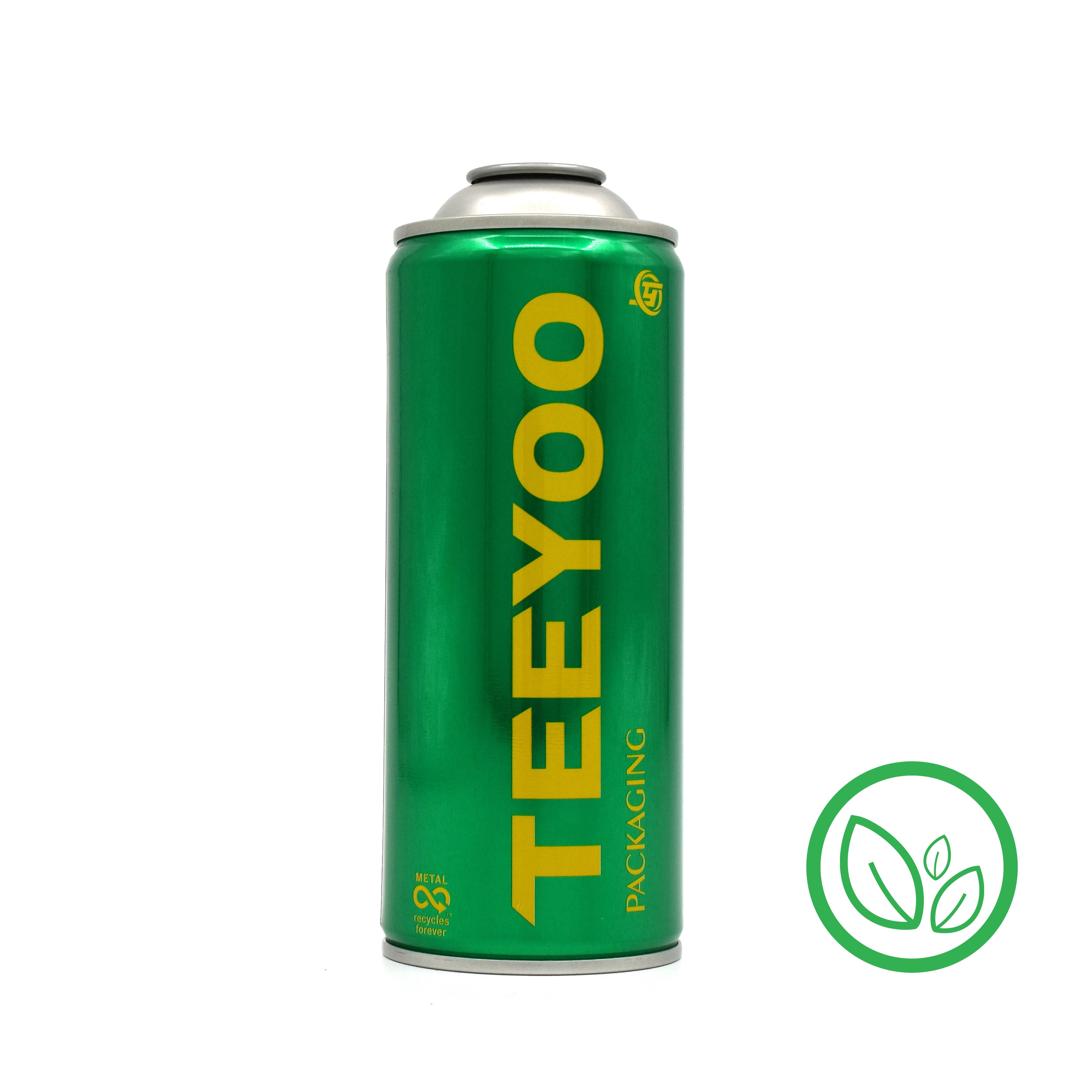
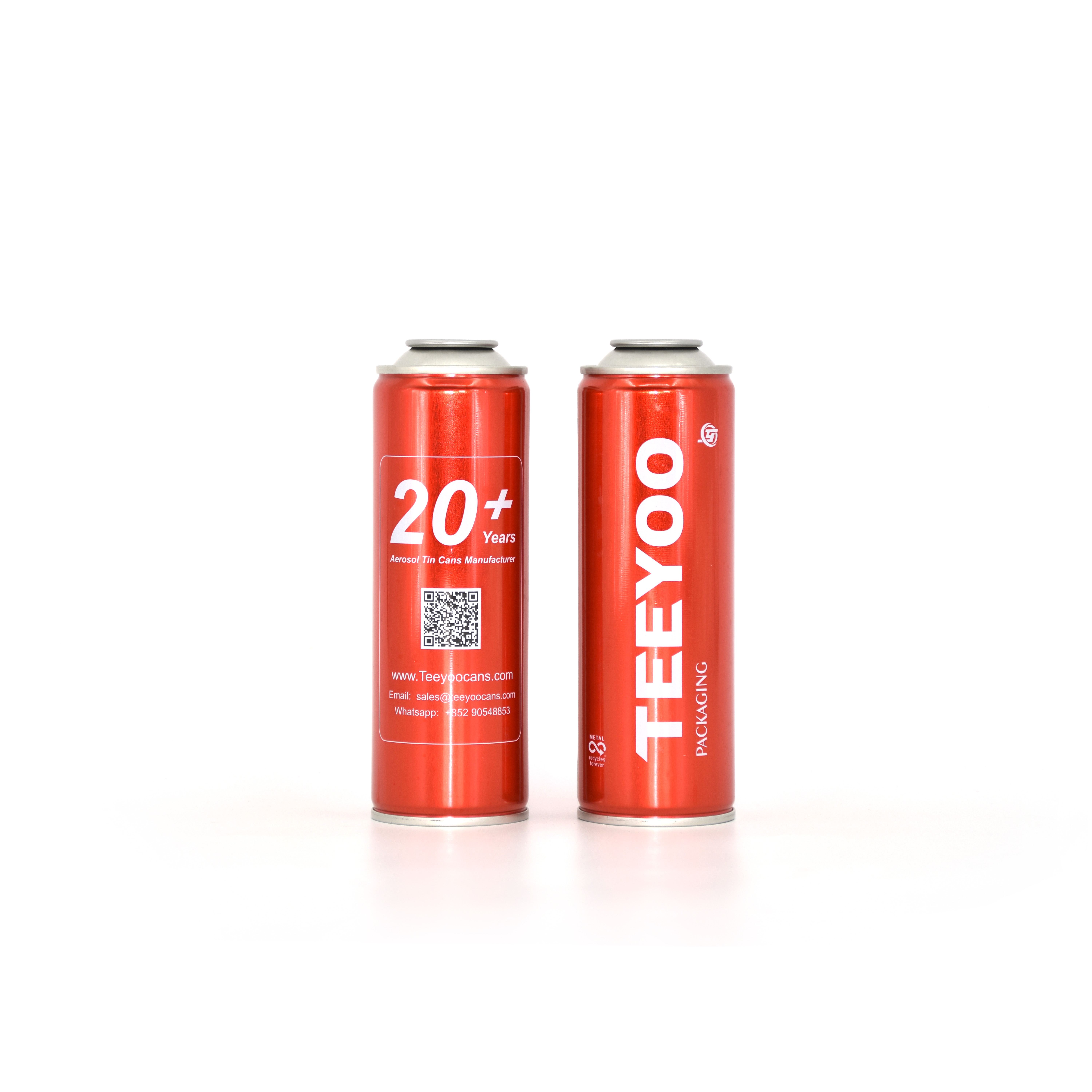
Empty metal cans are essential components in the packaging industry, particularly in the realm of food and beverage, cosmetics, and industrial products. The classification code 95059090 typically refers to specific types of empty metal cans that are manufactured in factories across the globe. These cans are designed to be durable, lightweight, and environmentally friendly, making them an ideal choice for various applications.
The manufacturing process of empty metal cans involves several stages, starting from the selection of raw materials. Most metal cans are made from aluminum or tinplate, materials chosen for their strength and ability to preserve contents effectively. Factories employ advanced techniques such as deep drawing and metal stamping to shape the cans, ensuring they meet stringent quality standards and specifications.
One of the primary advantages of using empty metal cans is their versatility. They can be used for packaging a wide range of products, from beverages like soda and beer to food items like canned vegetables and soups. The non-permeable nature of metal helps to keep products fresh by protecting them from light, oxygen, and moisture, which can lead to spoilage. Additionally, metal cans are fully recyclable, making them a sustainable option in an era where reducing waste is increasingly important.
Another significant aspect of empty metal cans is their contribution to branding and marketing. The cylindrical shape and metallic finish can be aesthetically pleasing and can be easily printed with vibrant designs, logos, and nutritional information. This capability not only enhances the product's shelf appeal but also helps brands convey their messages effectively to consumers.
Moreover, the empty metal can industry is continuously evolving, with innovations aimed at improving production efficiency and reducing environmental impact. Factories are increasingly adopting eco-friendly practices, such as using recycled materials and minimizing energy consumption during the manufacturing process. These efforts align with global sustainability goals and respond to consumer demands for greener packaging solutions.
In conclusion, empty metal cans classified under 95059090 play a crucial role in packaging across various sectors. The combination of durability, versatility, and recyclability makes them an attractive option for manufacturers and consumers alike. As the industry continues to innovate and adapt to changing market needs, the importance of empty metal cans in facilitating effective packaging solutions remains undeniable. Understanding the factory processes behind these metal containers not only highlights their practical applications but also emphasizes their role in promoting sustainability in the packaging industry.
The manufacturing process of empty metal cans involves several stages, starting from the selection of raw materials. Most metal cans are made from aluminum or tinplate, materials chosen for their strength and ability to preserve contents effectively. Factories employ advanced techniques such as deep drawing and metal stamping to shape the cans, ensuring they meet stringent quality standards and specifications.
One of the primary advantages of using empty metal cans is their versatility. They can be used for packaging a wide range of products, from beverages like soda and beer to food items like canned vegetables and soups. The non-permeable nature of metal helps to keep products fresh by protecting them from light, oxygen, and moisture, which can lead to spoilage. Additionally, metal cans are fully recyclable, making them a sustainable option in an era where reducing waste is increasingly important.
Another significant aspect of empty metal cans is their contribution to branding and marketing. The cylindrical shape and metallic finish can be aesthetically pleasing and can be easily printed with vibrant designs, logos, and nutritional information. This capability not only enhances the product's shelf appeal but also helps brands convey their messages effectively to consumers.
Moreover, the empty metal can industry is continuously evolving, with innovations aimed at improving production efficiency and reducing environmental impact. Factories are increasingly adopting eco-friendly practices, such as using recycled materials and minimizing energy consumption during the manufacturing process. These efforts align with global sustainability goals and respond to consumer demands for greener packaging solutions.
In conclusion, empty metal cans classified under 95059090 play a crucial role in packaging across various sectors. The combination of durability, versatility, and recyclability makes them an attractive option for manufacturers and consumers alike. As the industry continues to innovate and adapt to changing market needs, the importance of empty metal cans in facilitating effective packaging solutions remains undeniable. Understanding the factory processes behind these metal containers not only highlights their practical applications but also emphasizes their role in promoting sustainability in the packaging industry.

Selling well in all cities and provinces around China,our products are also exported to clients in such countries and regions as Europe, America, Middle East Asia.


Contact Us
No. 3, Gongye Road, Nangang Village, Zhucun Street, Guangzhou, Guangdong, China
Quick Links
Request Quote (No jobs / We are not hiring)