


The Ultimate Guide to Quality Actuators for Aerosol Cans
Oct 25,2025
When it comes to aerosol cans, the actuator plays a pivotal role in delivering the product effectively and efficiently. Quality actuators for aerosol cans are designed to provide precision, control, and reliability, ensuring a seamless user experience. As you venture into the world of aerosol products, understanding the significance of these components can not only improve your product's performance but also enhance customer satisfaction.
A quality actuator is responsible for the release of the aerosol content, allowing consumers to dispense the product with ease. There are various types of actuators available, including push-button, trigger, and spray nozzles, each serving a specific purpose depending on the application. The selection of the right actuator depends on factors such as the viscosity of the product, the desired spray pattern, and the target audience.
One of the key characteristics of a quality actuator is its construction material. Actuators should be made from durable, resistant materials that can withstand the pressure within aerosol cans. Common materials include polypropylene, polyethylene, and metal, which offer varying degrees of durability and compatibility with different propellants and formulations. Ensuring that the actuator is chemically compatible with the propellant and the product is crucial to prevent leaks and malfunctions.
Another essential aspect to consider is the actuator's design. A well-designed actuator not only allows for precise control over the dispensing process but also enhances the overall aesthetic of the aerosol can. Features such as ergonomic designs and easy-to-use mechanisms can significantly improve user experience. Additionally, the size of the actuator must be appropriate for the can's dimensions to ensure a proper fit and functionality.
Moreover, quality actuators contribute to the safety of aerosol products. They should be designed to minimize the risk of accidental discharge and ensure that the product is dispensed in a controlled manner. Safety mechanisms, such as child-resistant features, are also crucial, especially for products that could pose risks if misused.
It is also worth noting that the market for aerosol actuators is evolving, with innovations aimed at improving sustainability. Many manufacturers are exploring options for recyclable materials and designs that reduce waste, responding to the growing consumer demand for eco-friendly products.
In conclusion, selecting a quality actuator for aerosol cans is vital for ensuring efficient product delivery, user satisfaction, and safety. By understanding the various aspects of actuator construction, design, and functionality, you can make informed decisions that will enhance your aerosol products and ultimately benefit your customers. Investing in high-quality actuators is not just about performance; it's about elevating the entire user experience.

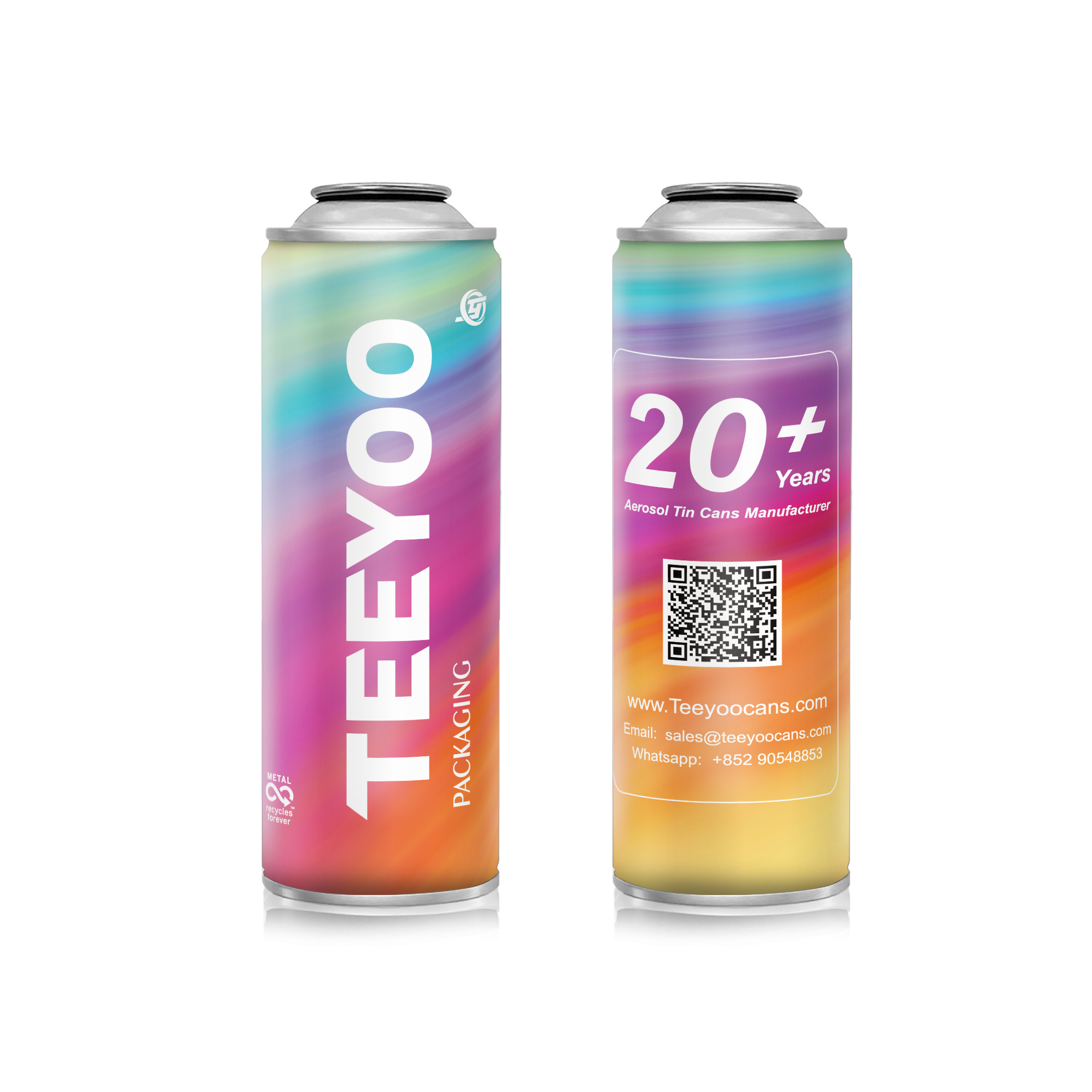

Selling well in all cities and provinces around China,our products are also exported to clients in such countries and regions as Europe, America, Middle East Asia.


Contact Us
No. 3, Gongye Road, Nangang Village, Zhucun Street, Guangzhou, Guangdong, China
Quick Links
Request Quote (No jobs / We are not hiring)