


Understanding the Export Market for Empty Metal Cans: Insights for Businesses
Aug 29,2025
In the packaging industry, empty metal cans serve as a crucial component, especially in the realm of food and beverage, personal care products, and industrial applications. The classification of empty metal cans under the code 95059090 indicates a specific category that encompasses a variety of uses and manufacturing processes. Understanding the export market for these metal cans is essential for businesses looking to expand their reach beyond domestic borders.
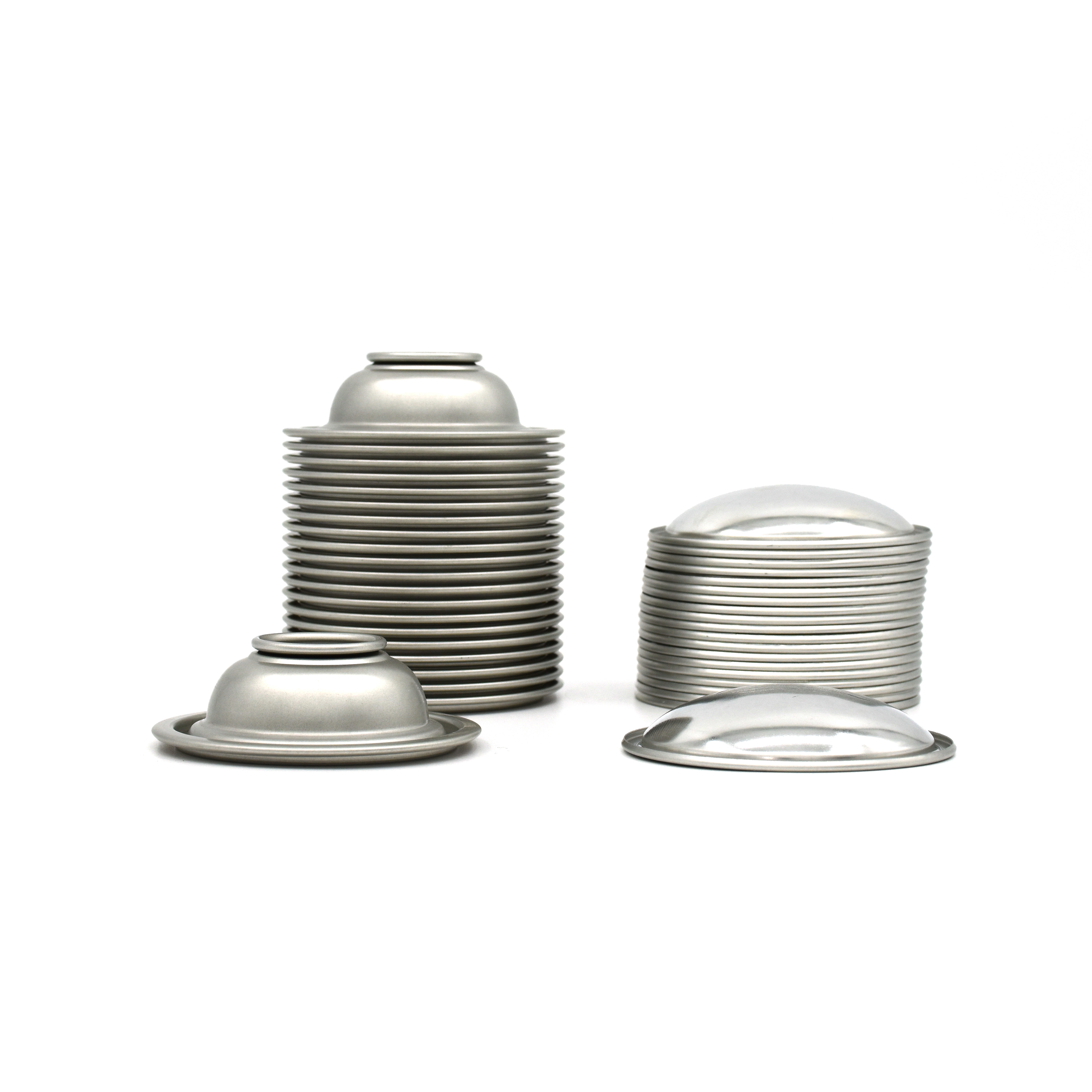
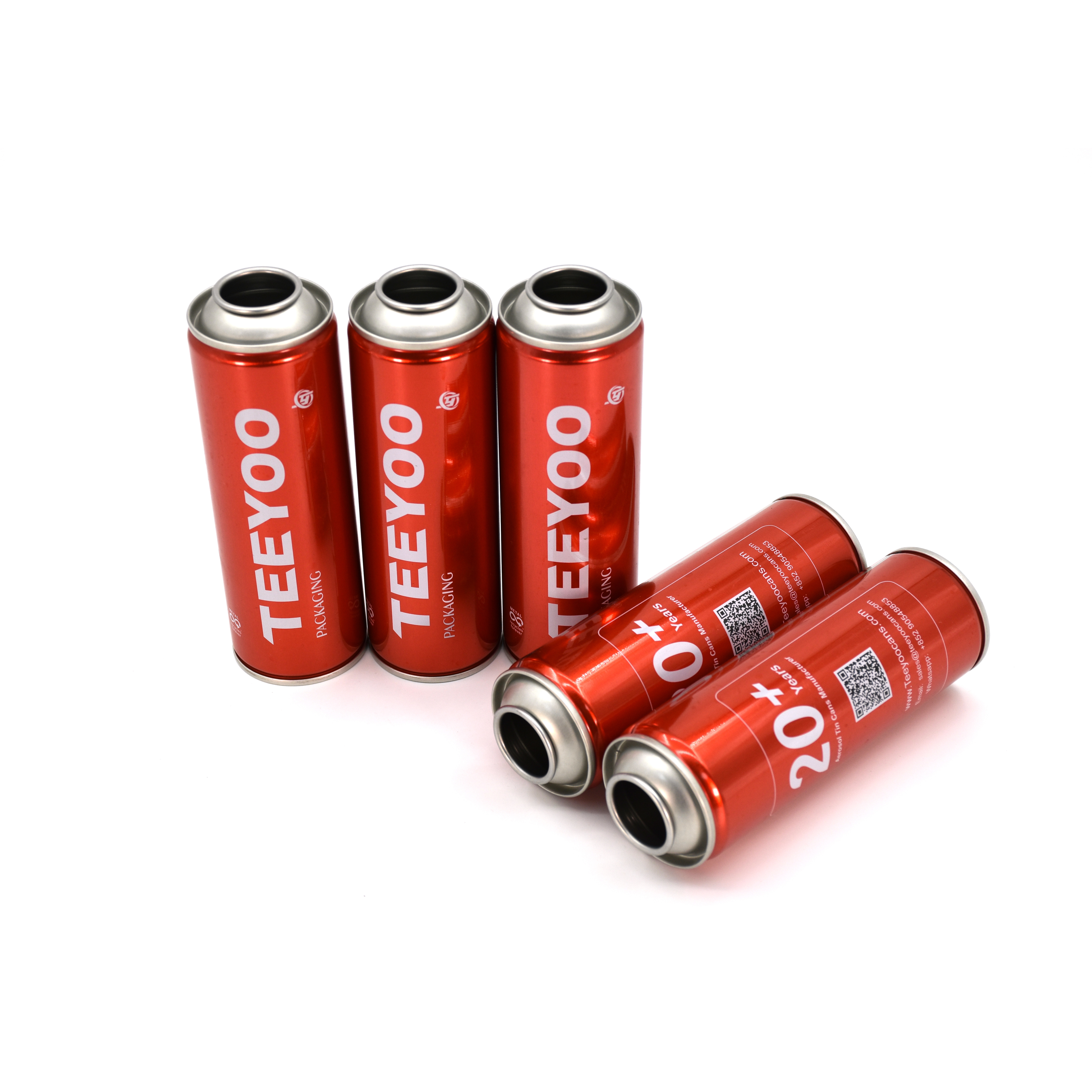
Empty metal cans are renowned for their durability, recyclability, and ability to preserve product integrity. They are typically made from materials such as aluminum or steel, which not only contribute to their strength but also allow for effective barrier properties against moisture, light, and oxygen. These characteristics make them an ideal choice for packaging perishable goods, beverages, chemicals, and even cosmetic products.
When considering the export of empty metal cans, businesses must navigate a range of factors. First and foremost is compliance with international regulations and standards. Different countries have specific requirements regarding packaging materials, including safety, recycling protocols, and labeling. Therefore, understanding the regulatory landscape is crucial for exporters to ensure their products can seamlessly enter foreign markets.
Additionally, market demand plays a significant role in determining the success of exporting empty metal cans. With the rising global emphasis on sustainability and eco-friendly packaging, the demand for recyclable packaging materials, such as metal cans, is on the rise. This trend is particularly strong in regions with stringent recycling laws and a growing consumer preference for sustainable products. Hence, businesses must conduct thorough market research to identify potential markets and tailor their strategies accordingly.
Logistics also represents a critical aspect of exporting empty metal cans. This includes considerations related to transportation, warehousing, and supply chain management. Efficient logistics help in minimizing costs and ensuring timely delivery, which is particularly important in maintaining product quality and meeting customer expectations.
Moreover, building strong relationships with international distributors and partners can facilitate smoother entry into foreign markets. Networking at industry events, trade shows, and online platforms can provide valuable connections that enhance a business's export capabilities.
In conclusion, the export of empty metal cans presents various opportunities and challenges for businesses in the packaging industry. By understanding the product's advantages, adhering to regulations, responding to market demand, and optimizing logistics, companies can successfully navigate the complexities of the export market. Emphasizing sustainability and quality will not only enhance a brand's reputation but also lead to long-term success in the global arena.
Empty metal cans are renowned for their durability, recyclability, and ability to preserve product integrity. They are typically made from materials such as aluminum or steel, which not only contribute to their strength but also allow for effective barrier properties against moisture, light, and oxygen. These characteristics make them an ideal choice for packaging perishable goods, beverages, chemicals, and even cosmetic products.
When considering the export of empty metal cans, businesses must navigate a range of factors. First and foremost is compliance with international regulations and standards. Different countries have specific requirements regarding packaging materials, including safety, recycling protocols, and labeling. Therefore, understanding the regulatory landscape is crucial for exporters to ensure their products can seamlessly enter foreign markets.
Additionally, market demand plays a significant role in determining the success of exporting empty metal cans. With the rising global emphasis on sustainability and eco-friendly packaging, the demand for recyclable packaging materials, such as metal cans, is on the rise. This trend is particularly strong in regions with stringent recycling laws and a growing consumer preference for sustainable products. Hence, businesses must conduct thorough market research to identify potential markets and tailor their strategies accordingly.
Logistics also represents a critical aspect of exporting empty metal cans. This includes considerations related to transportation, warehousing, and supply chain management. Efficient logistics help in minimizing costs and ensuring timely delivery, which is particularly important in maintaining product quality and meeting customer expectations.
Moreover, building strong relationships with international distributors and partners can facilitate smoother entry into foreign markets. Networking at industry events, trade shows, and online platforms can provide valuable connections that enhance a business's export capabilities.
In conclusion, the export of empty metal cans presents various opportunities and challenges for businesses in the packaging industry. By understanding the product's advantages, adhering to regulations, responding to market demand, and optimizing logistics, companies can successfully navigate the complexities of the export market. Emphasizing sustainability and quality will not only enhance a brand's reputation but also lead to long-term success in the global arena.

Selling well in all cities and provinces around China,our products are also exported to clients in such countries and regions as Europe, America, Middle East Asia.


Contact Us
No. 3, Gongye Road, Nangang Village, Zhucun Street, Guangzhou, Guangdong, China
Quick Links
Request Quote (No jobs / We are not hiring)