


Understanding Tinplate Domes and Cones: Innovations in Metal Packaging
Jun 30,2025
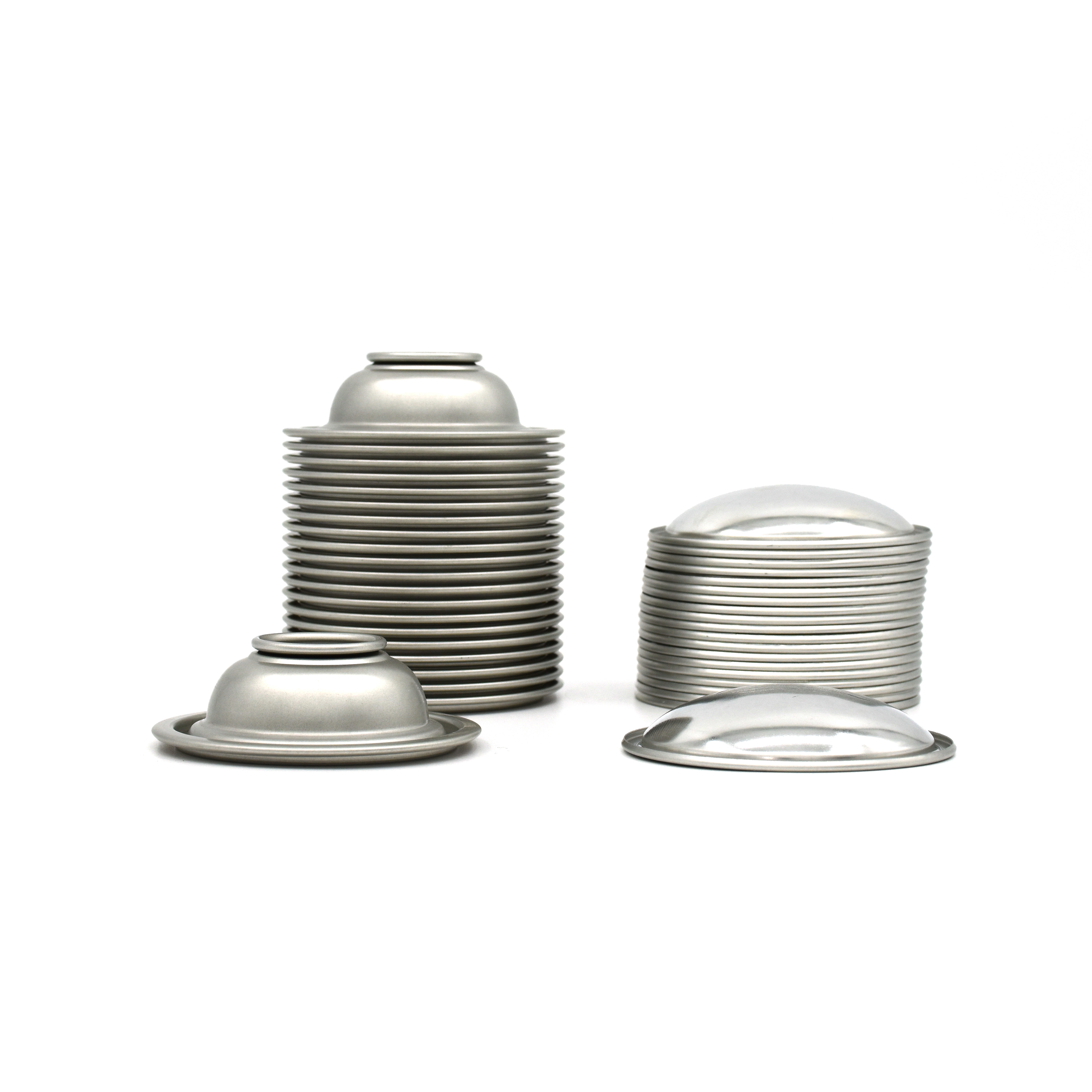
Tinplate domes and cones are integral components in the packaging industry, particularly for metal closures and lids. These structures are primarily made from tinplate, a thin steel sheet coated with a layer of tin to prevent corrosion and enhance durability. Understanding the characteristics and applications of tinplate domes and cones can significantly benefit professionals in packaging and printing supplies.
One of the most notable advantages of tinplate is its excellent barrier properties. This is crucial for preserving the freshness and integrity of food and beverage products. Tinplate domes and cones can be designed to provide a secure seal, minimizing the risk of contamination and extending shelf life. Moreover, their lightweight nature contributes to cost-effectiveness in shipping and storage, making them an efficient choice for manufacturers.
The versatility of tinplate allows for various designs and sizes, catering to different packaging needs. Domes are often utilized for products that require a rounded top, such as jars or cans, while cones can be tailored for more tapered applications. Both shapes can be customized with printing options, offering branding opportunities that enhance product visibility on retail shelves. In a market where visual appeal is paramount, the ability to incorporate vibrant graphics on tinplate surfaces can be a game changer.
Furthermore, advancements in coating technologies have improved the aesthetic qualities of tinplate domes and cones. Innovations such as eco-friendly coatings and advanced printing techniques enable manufacturers to produce high-quality finishes that are both attractive and sustainable. This aligns with the growing consumer preference for environmentally responsible packaging solutions.
Professionals in the packaging industry should also consider the regulatory aspects surrounding tinplate materials. Compliance with food safety standards is essential, especially for products intended for direct consumer use. It’s crucial to stay updated with guidelines provided by regulatory bodies to ensure that tinplate domes and cones meet safety requirements while maintaining their protective features.
As the packaging landscape evolves, the demand for sustainable and innovative solutions continues to rise. Tinplate domes and cones are at the forefront of this trend, offering businesses the opportunity to enhance product presentation and functionality while adhering to environmental standards. By investing in high-quality tinplate packaging solutions, companies can not only improve the consumer experience but also contribute to a more sustainable future.
In conclusion, tinplate domes and cones are vital components in the packaging sector, playing a crucial role in product protection and branding. Their versatility, durability, and aesthetic potential make them an attractive option for manufacturers looking to innovate within the competitive landscape of packaging and printing supplies. Understanding the nuances of these components can help professionals make informed decisions that align with their business goals.
One of the most notable advantages of tinplate is its excellent barrier properties. This is crucial for preserving the freshness and integrity of food and beverage products. Tinplate domes and cones can be designed to provide a secure seal, minimizing the risk of contamination and extending shelf life. Moreover, their lightweight nature contributes to cost-effectiveness in shipping and storage, making them an efficient choice for manufacturers.
The versatility of tinplate allows for various designs and sizes, catering to different packaging needs. Domes are often utilized for products that require a rounded top, such as jars or cans, while cones can be tailored for more tapered applications. Both shapes can be customized with printing options, offering branding opportunities that enhance product visibility on retail shelves. In a market where visual appeal is paramount, the ability to incorporate vibrant graphics on tinplate surfaces can be a game changer.
Furthermore, advancements in coating technologies have improved the aesthetic qualities of tinplate domes and cones. Innovations such as eco-friendly coatings and advanced printing techniques enable manufacturers to produce high-quality finishes that are both attractive and sustainable. This aligns with the growing consumer preference for environmentally responsible packaging solutions.
Professionals in the packaging industry should also consider the regulatory aspects surrounding tinplate materials. Compliance with food safety standards is essential, especially for products intended for direct consumer use. It’s crucial to stay updated with guidelines provided by regulatory bodies to ensure that tinplate domes and cones meet safety requirements while maintaining their protective features.
As the packaging landscape evolves, the demand for sustainable and innovative solutions continues to rise. Tinplate domes and cones are at the forefront of this trend, offering businesses the opportunity to enhance product presentation and functionality while adhering to environmental standards. By investing in high-quality tinplate packaging solutions, companies can not only improve the consumer experience but also contribute to a more sustainable future.
In conclusion, tinplate domes and cones are vital components in the packaging sector, playing a crucial role in product protection and branding. Their versatility, durability, and aesthetic potential make them an attractive option for manufacturers looking to innovate within the competitive landscape of packaging and printing supplies. Understanding the nuances of these components can help professionals make informed decisions that align with their business goals.

Selling well in all cities and provinces around China,our products are also exported to clients in such countries and regions as Europe, America, Middle East Asia.


Contact Us
No. 3, Gongye Road, Nangang Village, Zhucun Street, Guangzhou, Guangdong, China
Quick Links
Request Quote (No jobs / We are not hiring)