


Understanding Tinplate Domes and Cones: Key Factors in Metal Packaging Solutions
Jun 20,2025
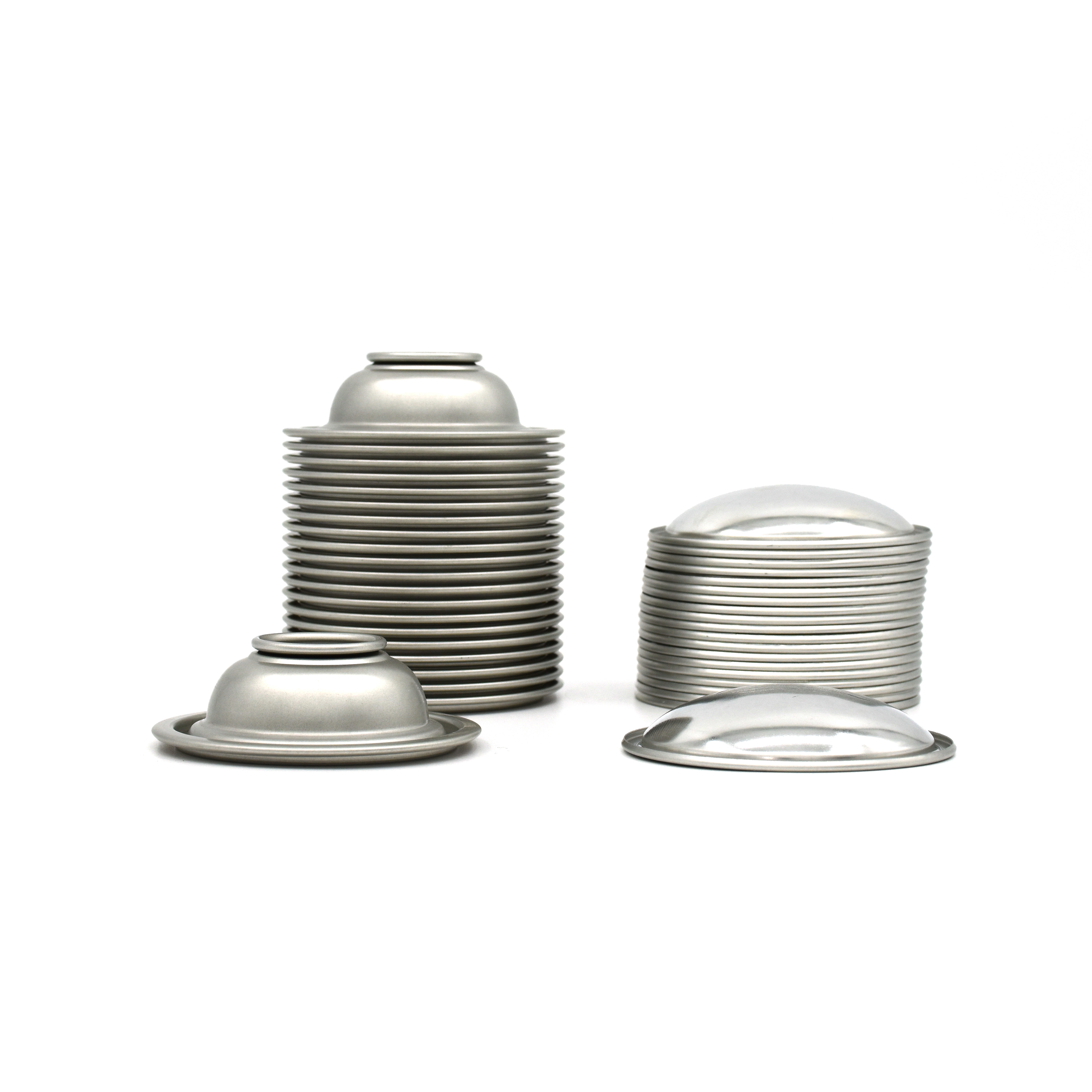
In the packaging and printing supplies industry, particularly within the realm of metal closures, tinplate domes and cones play a pivotal role. These components are essential for various packaging solutions, offering both functionality and aesthetic appeal. Understanding their characteristics and applications can greatly assist businesses in making informed decisions when it comes to packaging design and production.
Tinplate, an alloy of steel coated with tin, is widely used for its corrosion resistance and durability. The manufacturing process of tinplate domes and cones involves stamping and forming techniques that create a seamless and robust structure. These shapes are particularly advantageous in packaging scenarios where strength and protection are paramount, such as in food and beverage products.
One of the primary advantages of tinplate domes and cones is their ability to create an airtight seal. This is crucial for preserving the freshness and quality of the contents within. When paired with appropriate sealing methods, such as induction sealing or pressure-sensitive adhesives, these metal shapes can ensure that products remain uncontaminated and retain their intended shelf life.
Moreover, tinplate's lightweight nature combined with its strength offers a significant advantage over traditional glass or heavier metal packaging. Companies are increasingly seeking sustainable packaging solutions, and tinplate can be recycled multiple times without losing its quality. This eco-friendly aspect not only appeals to environmentally conscious consumers but also aligns with current trends in sustainable business practices.
From a design perspective, tinplate domes and cones afford unique branding opportunities. They can be customized in various shapes, sizes, and finishes, allowing brands to stand out on the shelves. Furthermore, the surface of tinplate can be easily printed with high-resolution graphics, enabling effective marketing and product differentiation.
When considering the implementation of tinplate domes and cones in packaging strategies, businesses must also take into account the regulatory requirements associated with food contact materials. Compliance with standards set by relevant authorities ensures that the packaging is safe for consumer use, thus protecting both the brand and the customer.
In conclusion, tinplate domes and cones are integral components of modern packaging solutions. Their combination of durability, sustainability, and design versatility makes them a wise choice for companies in the packaging and printing supplies industry. By leveraging the benefits of tinplate, businesses can enhance their product offerings while meeting the evolving demands of consumers and regulatory bodies alike. Understanding these components can lead to improved packaging strategies that not only protect the product but also elevate brand identity in a competitive marketplace.
Tinplate, an alloy of steel coated with tin, is widely used for its corrosion resistance and durability. The manufacturing process of tinplate domes and cones involves stamping and forming techniques that create a seamless and robust structure. These shapes are particularly advantageous in packaging scenarios where strength and protection are paramount, such as in food and beverage products.
One of the primary advantages of tinplate domes and cones is their ability to create an airtight seal. This is crucial for preserving the freshness and quality of the contents within. When paired with appropriate sealing methods, such as induction sealing or pressure-sensitive adhesives, these metal shapes can ensure that products remain uncontaminated and retain their intended shelf life.
Moreover, tinplate's lightweight nature combined with its strength offers a significant advantage over traditional glass or heavier metal packaging. Companies are increasingly seeking sustainable packaging solutions, and tinplate can be recycled multiple times without losing its quality. This eco-friendly aspect not only appeals to environmentally conscious consumers but also aligns with current trends in sustainable business practices.
From a design perspective, tinplate domes and cones afford unique branding opportunities. They can be customized in various shapes, sizes, and finishes, allowing brands to stand out on the shelves. Furthermore, the surface of tinplate can be easily printed with high-resolution graphics, enabling effective marketing and product differentiation.
When considering the implementation of tinplate domes and cones in packaging strategies, businesses must also take into account the regulatory requirements associated with food contact materials. Compliance with standards set by relevant authorities ensures that the packaging is safe for consumer use, thus protecting both the brand and the customer.
In conclusion, tinplate domes and cones are integral components of modern packaging solutions. Their combination of durability, sustainability, and design versatility makes them a wise choice for companies in the packaging and printing supplies industry. By leveraging the benefits of tinplate, businesses can enhance their product offerings while meeting the evolving demands of consumers and regulatory bodies alike. Understanding these components can lead to improved packaging strategies that not only protect the product but also elevate brand identity in a competitive marketplace.
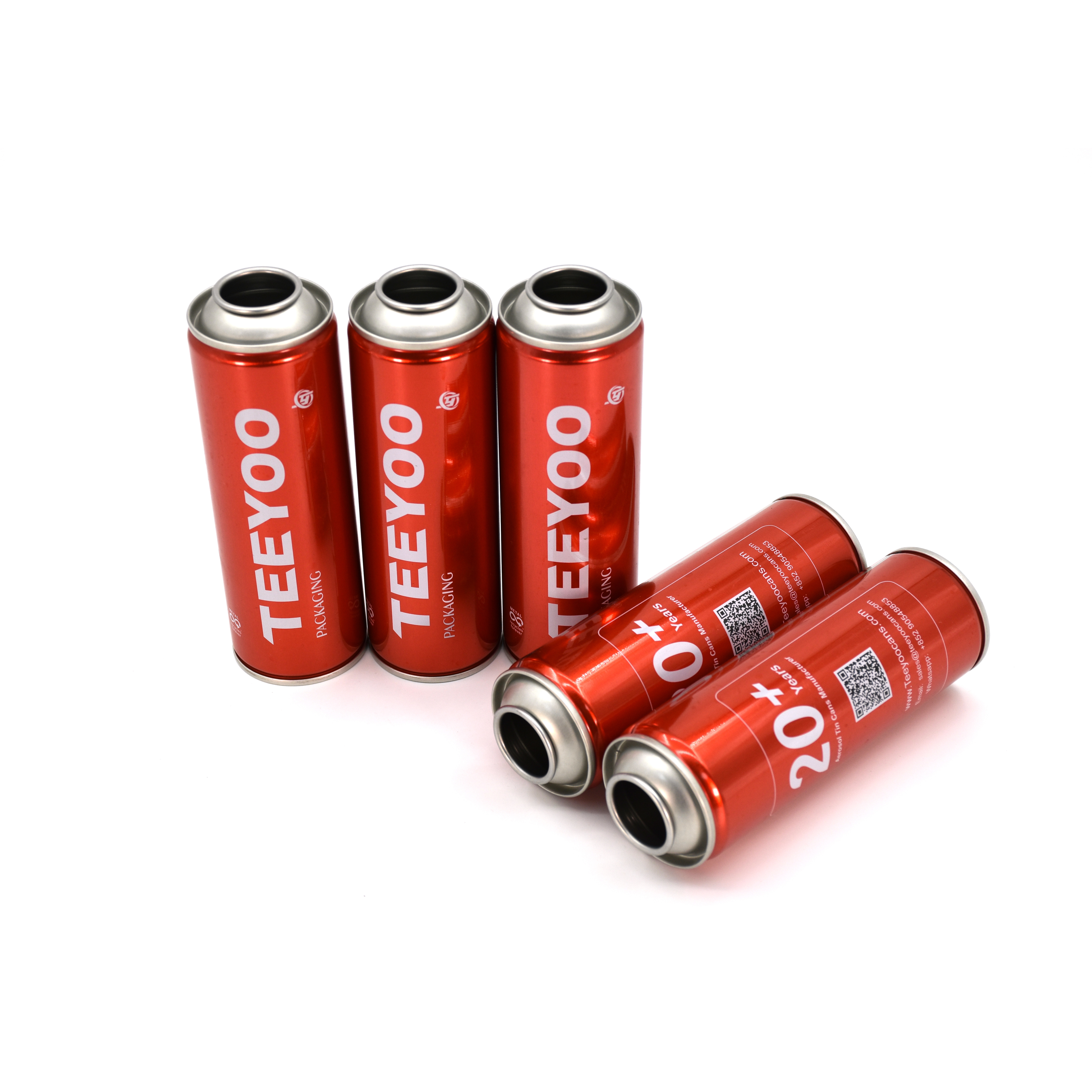

Selling well in all cities and provinces around China,our products are also exported to clients in such countries and regions as Europe, America, Middle East Asia.


Contact Us
No. 3, Gongye Road, Nangang Village, Zhucun Street, Guangzhou, Guangdong, China
Quick Links
Request Quote (No jobs / We are not hiring)