


Comprehensive Overview of φ70mm Tinplate Aerosol Cans Their Structural Design Manufacturing Process Performance Advantages and Industrial Packaging Applications
Mar 13,2026
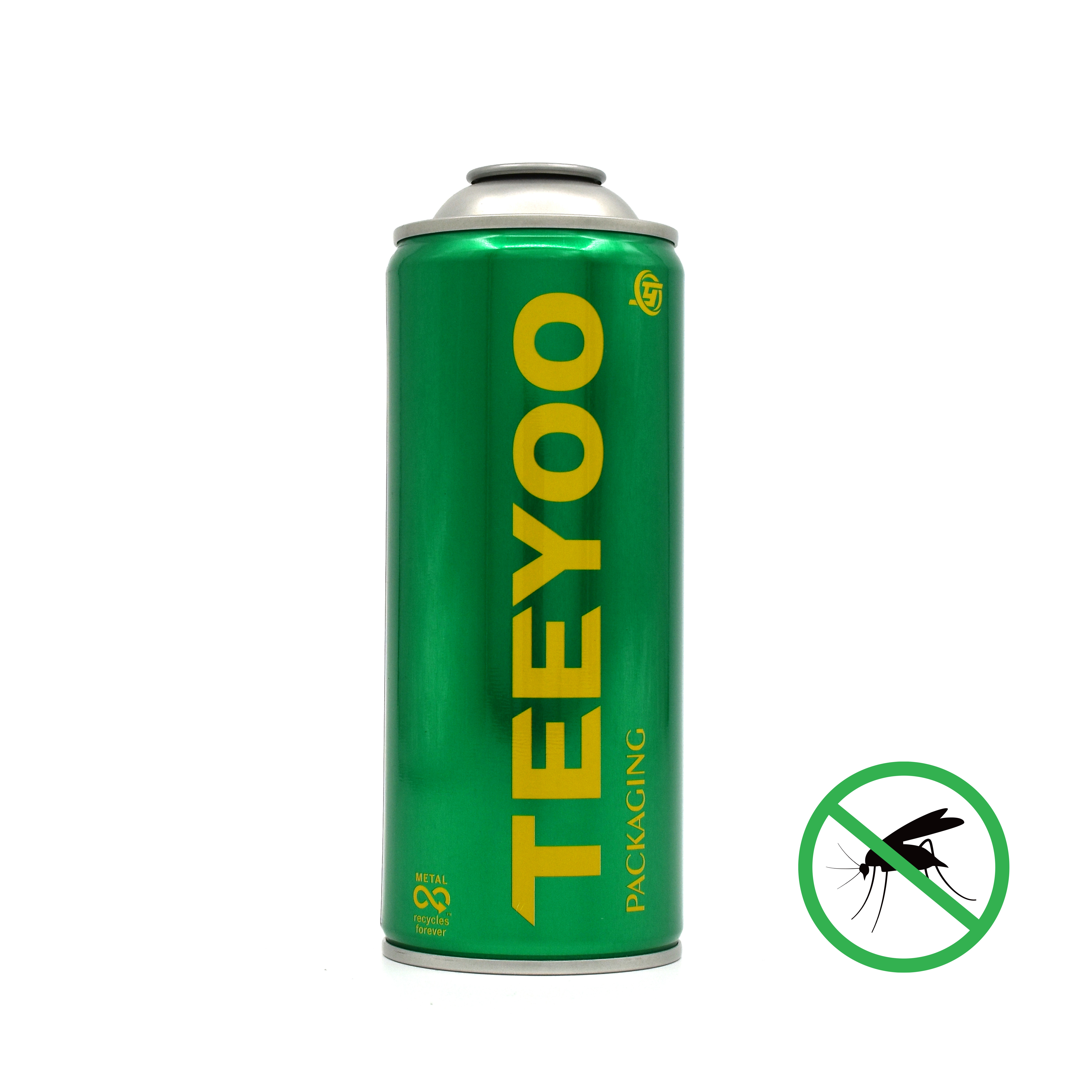
φ70mm tinplate aerosol cans are widely used metal packaging containers designed for storing and dispensing products in aerosol form. Manufactured from high-quality tinplate steel, these cans provide excellent strength, durability, and resistance to corrosion. The φ70mm diameter is a common specification in the aerosol packaging industry because it offers a balanced capacity, stable structure, and compatibility with a wide range of aerosol valves and spray systems. These characteristics make φ70mm tinplate aerosol cans suitable for many industries including cosmetics, household products, automotive care, pharmaceuticals, and industrial chemicals.
Tinplate, the primary material used for aerosol cans, is produced by coating thin sheets of steel with a layer of tin. This process provides a combination of mechanical strength and corrosion resistance. The steel base gives the can its structural stability and ability to withstand internal pressure, while the tin coating protects the surface from oxidation and chemical reactions. As a result, φ70mm tinplate aerosol cans can safely contain pressurized liquids and gases for extended periods of storage and transportation.
The manufacturing process of φ70mm tinplate aerosol cans involves several precise production stages. First, tinplate sheets are cut into specific shapes and sizes required for the can body and components. The body is then formed into a cylindrical shape and welded along the side seam to create a strong and airtight structure. After that, the top and bottom ends are attached through a mechanical seaming process that ensures a secure seal. The bottom of the can is typically designed with a dome shape to enhance pressure resistance and improve structural strength.
Once the basic can structure is formed, additional treatments are applied to ensure product safety and performance. Internal coatings are often applied to the inside of the can to prevent chemical reactions between the metal surface and the packaged product. Different coating materials can be used depending on the type of product being filled, such as water-based formulas, oil-based chemicals, or pharmaceutical sprays. These protective coatings help maintain product stability and extend shelf life.
External surface treatment is also an important step in the manufacturing process. The outside of φ70mm tinplate aerosol cans can be printed with high-quality graphics, product information, and branding elements using advanced printing technologies. Decorative coatings and protective lacquers can be applied to enhance appearance and improve resistance to scratches, moisture, and environmental exposure. This allows manufacturers to create visually attractive packaging that stands out in retail markets.
The φ70mm tinplate aerosol can design is highly compatible with standard aerosol valves, actuators, and spray caps. The valve assembly is installed at the top of the can and plays a crucial role in controlling product release. When the actuator is pressed, the internal pressure forces the product through the valve and nozzle, producing a fine spray, foam, or mist depending on the design of the dispensing system. This controlled delivery method makes aerosol cans convenient and efficient for a wide variety of applications.
One of the major advantages of φ70mm tinplate aerosol cans is their excellent pressure resistance. Aerosol products often contain compressed gases or propellants that generate internal pressure inside the container. The steel structure of tinplate cans provides the strength needed to safely contain this pressure without deformation or leakage. In addition, the dome-shaped bottom and reinforced seams contribute to overall structural stability during filling, storage, and transportation.
Another important advantage is the high level of product protection provided by tinplate packaging. The metal walls effectively block light, oxygen, and external contaminants that could affect product quality. This is particularly important for sensitive formulations such as cosmetics, pharmaceuticals, and chemical sprays that require stable storage conditions. The airtight sealing system also prevents evaporation and maintains the effectiveness of the propellant gas.
φ70mm tinplate aerosol cans are widely used across many industries. In the personal care and cosmetics industry, they are commonly used for products such as deodorants, hair sprays, shaving foams, body sprays, and skincare mists. In household applications, these cans are used to package air fresheners, disinfectants, cleaning sprays, and insecticides. The automotive industry uses aerosol cans for products such as spray paints, lubricants, rust removers, and maintenance chemicals. Industrial sectors also rely on aerosol packaging for technical sprays, adhesives, protective coatings, and specialty chemicals.
In addition to their functional advantages, φ70mm tinplate aerosol cans offer significant environmental benefits. Tinplate steel is highly recyclable and can be processed repeatedly without losing its material properties. Recycling metal packaging reduces the consumption of raw materials and energy required for manufacturing new steel products. Many countries have established recycling systems that allow used aerosol cans to be collected and processed as valuable metal resources.
Quality control and safety testing are essential in the production of φ70mm tinplate aerosol cans. Manufacturers perform rigorous inspections including pressure resistance tests, leak detection tests, and coating integrity checks to ensure the cans meet strict industry standards. International regulations and packaging standards require aerosol containers to meet specific safety requirements for transportation and storage. Compliance with these standards helps ensure that aerosol products remain safe for both consumers and industrial users.
Technological advancements continue to improve the design and manufacturing efficiency of aerosol cans. Modern production lines utilize automated equipment, precision welding technology, and advanced coating systems to achieve high-quality and consistent results. At the same time, research in sustainable packaging materials and environmentally friendly coatings is helping the aerosol packaging industry move toward greener manufacturing practices.
In conclusion, φ70mm tinplate aerosol cans represent a reliable and versatile packaging solution for a wide range of aerosol products. Their strong steel structure, corrosion resistance, and compatibility with advanced spray systems make them ideal for storing and dispensing pressurized products. With advantages in safety, durability, product protection, and recyclability, φ70mm tinplate aerosol cans continue to play an important role in modern packaging across cosmetics, household goods, automotive products, pharmaceuticals, and industrial applications.


Selling well in all cities and provinces around China,our products are also exported to clients in such countries and regions as Europe, America, Middle East Asia.


Contact Us
No. 3, Gongye Road, Nangang Village, Zhucun Street, Guangzhou, Guangdong, China
Quick Links
Request Quote (No jobs / We are not hiring)